

EV Charger Installation in Winston-Salem and Surrounding Areas
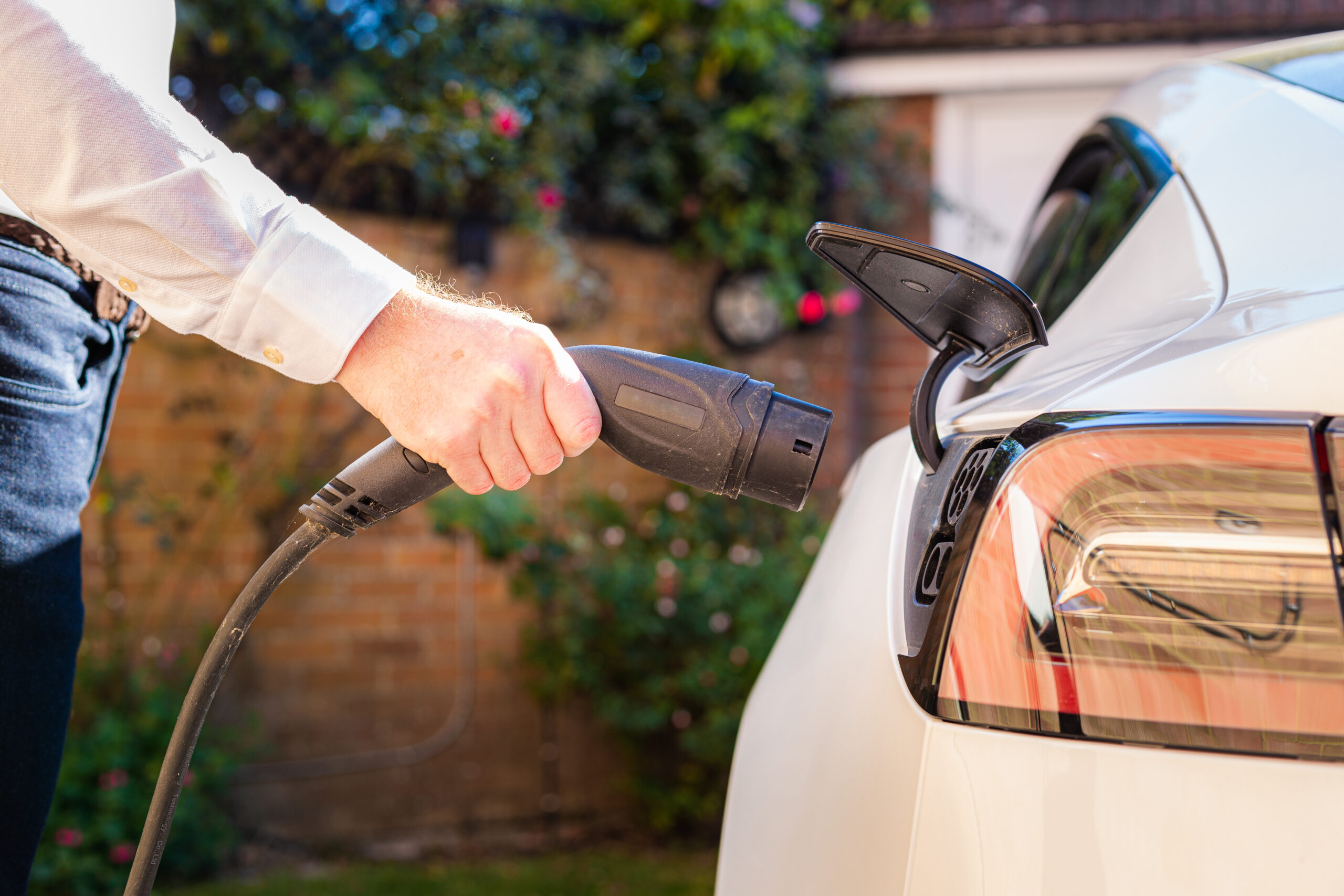
Charging an electric vehicle from a standard household outlet may not provide enough range for your daily driving needs. A professionally installed home EV charger offers a faster and more convenient way to recharge your vehicle without relying as heavily on public charging stations.
LOGAN Heating and Cooling provides EV charger installation throughout the Piedmont Triad. Our licensed electricians evaluate your electrical system, determine what the selected charger requires, and install the necessary circuit and charging equipment according to manufacturer specifications and applicable electrical codes.
Why Choose LOGAN for EV Charger Installation?
LOGAN has served central North Carolina since 1952. In addition to heating and cooling, our whole-home services include electrical repairs, wiring, panel upgrades, lighting, surge protection, generators, and EV charging stations.
Homeowners and businesses choose LOGAN for EV charger installation because we provide:
- Service from licensed electricians
- Electrical panel and circuit evaluations
- Dedicated circuit installation
- Code-compliant wiring and equipment installation
- Residential and commercial EV charger installation
- Panel upgrades when additional capacity is required
- Free estimates for electrical work
- 24/7 emergency electrical service
Before recommending an installation approach, our electricians consider your vehicle, charging goals, selected equipment, parking location, panel capacity, and the distance between the electrical panel and charger.
What Does Home EV Charger Installation Involve?
Installing an EV charger involves more than mounting equipment on a garage wall. The charger creates a substantial new electrical load, so the circuit, breaker, wiring, and electrical panel must be able to support it safely.
During the evaluation, a LOGAN electrician will review factors such as:
- The charger’s voltage and amperage requirements
- Your vehicle’s charging capabilities
- Available space and capacity in the electrical panel
- The proposed charger and parking location
- The distance between the charger and electrical panel
- Whether wiring must run indoors, outdoors, or through finished areas
- Manufacturer installation requirements
The scope of work will depend on the property and equipment. Some homes may need only a new dedicated circuit. Others may require a longer wiring run, outdoor-rated components, electrical panel improvements, or additional work before the charger can be installed.
Does Your Electrical Panel Have Enough Capacity?
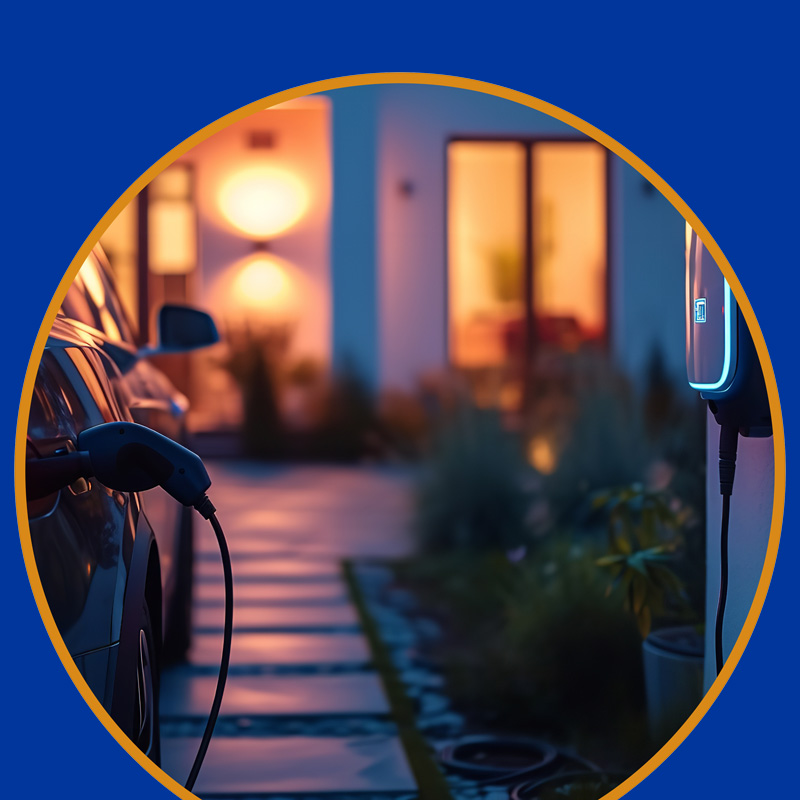
Many EV owners choose Level 2 charging for home use because it can recharge a vehicle considerably faster than a standard 120-volt outlet. Level 2 chargers typically operate on a dedicated 240-volt circuit, although the required circuit size depends on the charger’s output and installation instructions.
LOGAN can install wall-mounted charging equipment in a garage, carport, driveway, or another suitable parking area. Before installation, we verify the charger specifications, evaluate the intended location, and determine the circuit and wiring requirements.
Level 2 chargers are available with different power outputs and features. Depending on the model, those features may include:
- Wi-Fi or app connectivity
- Scheduled charging
- Energy-use tracking
- Adjustable charging output
- Access controls
- Hardwired or plug-in connections
The charger should be compatible with your vehicle’s charging port and onboard charging capabilities. LOGAN installs the equipment you select according to its listed requirements but does not need to recommend a higher-powered unit than your vehicle or electrical system can effectively use.
Should You Choose a Hardwired or Plug-In Charger?
Some Level 2 chargers connect to a dedicated receptacle, while others are wired directly into the electrical system. The right option depends on the equipment, location, electrical requirements, and how you plan to use the charger.
A plug-in unit may provide flexibility if you expect to replace or relocate the charging equipment. A hardwired charger eliminates the plug-and-receptacle connection and may be required or preferred for certain outdoor or higher-output installations.
Your LOGAN electrician can review the charger specifications and installation location to determine which connection method is appropriate.
Plan for Your Future Electrical Needs
Your current vehicle is not the only factor worth considering. Tell your electrician if you expect to purchase another EV, add a second charger, install a standby generator, replace major HVAC equipment, or complete an addition or renovation.
These plans do not necessarily mean you need a larger electrical service today. However, discussing them during the evaluation can help you avoid an installation choice that limits future options or creates unnecessary rework later.
EV Charger Installation for Businesses
LOGAN also provides commercial electrical services, including EV charger installation. Charging equipment can be installed for employees, company vehicles, tenants, or customers when the property’s electrical system and parking arrangement can support it.
Commercial projects may involve different equipment, electrical loads, mounting locations, and usage requirements than a typical home installation. Our electricians can evaluate the property and explain the electrical work needed for the proposed charging setup.
Schedule Your EV Charger Installation
Make daily charging more convenient with professional EV charger installation from LOGAN Heating and Cooling. Our licensed electricians can evaluate your electrical system, explain any improvements the installation requires, and install your charging equipment safely.
Contact LOGAN today to request a free estimate for EV charger installation in Winston-Salem, Greensboro, High Point, Clemmons, and surrounding Piedmont Triad communities.
Frequently Asked Questions
What type of EV charger is best for my home?
The right charger depends on your vehicle, daily mileage, available charging time, parking location, and electrical capacity. Many homeowners prefer a Level 2 charger for faster overnight charging, but the unit’s output should be appropriate for both the vehicle and the home’s electrical system.
Do I need an electrical panel upgrade for an EV charger?
Not every home needs a panel upgrade. An electrician must evaluate the panel rating, existing electrical loads, available breaker space, and charger requirements. If the existing system does not have sufficient capacity, LOGAN can explain the electrical improvements that may be needed.
How long does it take to install a home EV charger?
The installation time depends on the charger location, distance from the electrical panel, circuit requirements, accessibility, and whether the home needs electrical upgrades. A straightforward installation may require less work than a project involving a long wiring route or panel replacement.
Can an EV charger be installed outside?
Many EV chargers are designed for outdoor use, but the equipment and electrical components must be approved for the location and installed according to their specifications. An electrician can confirm whether the selected charger is appropriate for a driveway, exterior wall, carport, or other outdoor parking area.
Can LOGAN install a charger I already purchased?
LOGAN can evaluate the selected charger, its installation requirements, and your electrical system. The equipment must be compatible with the intended location and capable of being installed according to its manufacturer instructions and applicable electrical codes.